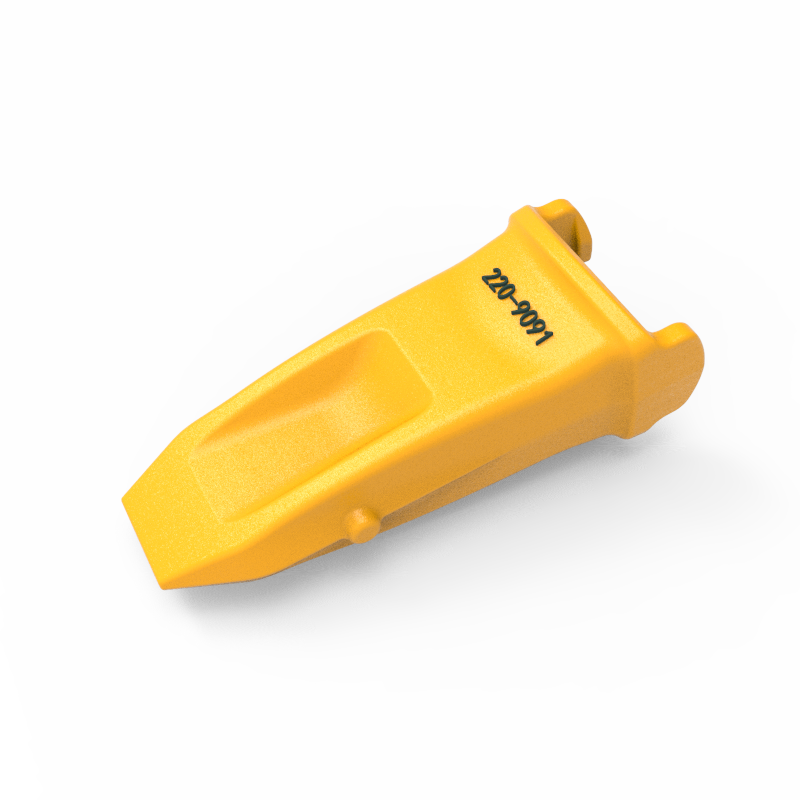
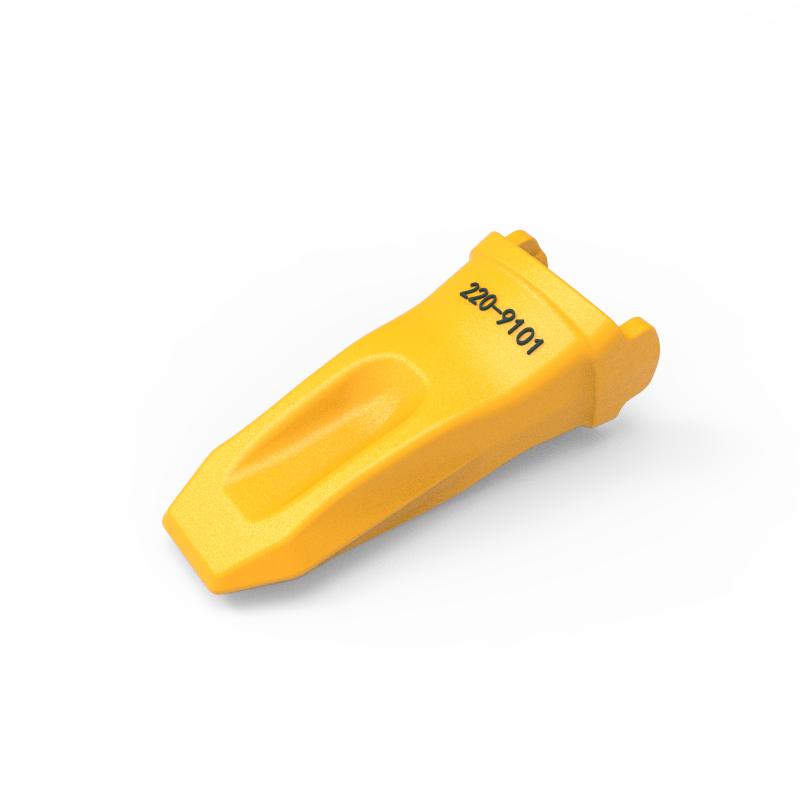
**Innovations in Heavy Machinery: Advancements in Bucket Teeth Technology Enhance Excavation Efficiency**In the ever-evolving landscape of heavy construction and mining equipment, the efficiency and durability of digging attachments play a crucial role in operational success. Among these, bucket teeth are fundamental components that directly impact excavation performance and machinery longevity. Recent developments in bucket teeth technology have demonstrated significant improvements, reflecting the industry's ongoing commitment to innovation and productivity.Bucket teeth are the replaceable tips attached to excavator and loader buckets, designed to penetrate tough materials like soil, rock, and debris. Their design and material composition determine not only the wear resistance but also the digging efficiency, fuel consumption, and overall project cost-effectiveness. With industries pushing the limits of productivity, advancements in bucket teeth have become a strategic focus for manufacturers and end-users alike.One of the latest trends in bucket teeth innovation involves the use of advanced alloys and optimized geometries. By incorporating high-strength steel alloys with specialized heat treatment processes, manufacturers have succeeded in producing teeth that offer enhanced wear resistance while maintaining toughness to prevent premature breakage. These materials help buckets endure extensive abrasion and impact in harsh working environments such as mining sites, quarries, and large-scale construction projects.Another area of improvement lies in the design precision. Modern bucket teeth are engineered with greater attention to shape and size to maximize penetration efficiency and minimize resistance. Streamlined shapes reduce the power needed for digging, thereby promoting fuel savings and reducing operational costs. Additionally, modular designs that facilitate easy replacement have been widely adopted, allowing for quicker maintenance and reduced equipment downtime—an essential advantage in time-sensitive operations.Industry feedback has highlighted the importance of these innovations. Equipment operators report noticeable improvements in bucket performance with the updated teeth technology. Enhanced penetration means quicker digging cycles, smoother material handling, and improved site productivity. The upshot is a direct contribution to project timelines and cost management, critical factors in the competitive construction and mining sectors.Leading companies in the heavy equipment market continue to support these advancements through robust research and development programs. Their commitment to quality and innovation ensures that the latest bucket teeth technologies meet the demanding standards of global users. Furthermore, comprehensive warranties and customer support services provide clients with confidence and assurance in their investments.The adoption of environmentally responsible manufacturing processes also marks a progressive step. Companies now prioritize sustainable production methods and recyclable materials, reducing the environmental footprint associated with bucket teeth manufacture. This trend aligns with broader industry efforts to incorporate eco-friendly practices throughout the machinery life cycle.In summary, the development of next-generation bucket teeth signifies a key milestone in heavy machinery efficiency. By leveraging material science breakthroughs, precision engineering, and user-centric designs, the industry is delivering tools that empower operators to perform with greater effectiveness. Such advancements not only enhance equipment performance but also contribute to the overall sustainability and profitability of infrastructure and resource development projects.As market demands continue to evolve, continued innovation in bucket teeth and related attachment technologies will be essential. Companies dedicated to addressing these challenges remain at the forefront of providing solutions that combine durability, efficiency, and practicality. The future of excavation equipment is being reshaped by these ongoing improvements, promising better outcomes for operators and stakeholders worldwide.
Read More